


Birch Wood Bats

Birch Wood Bats
Birch Wood Bats: The Complete Guide to Performance, Benefits & Selection
Birch wood bats are known for their balance of control, durability, and feel, making them a popular choice in modern baseball. This guide provides insights into birch baseball bats, their performance relative to other woods, and their ideal users. If you're considering birch bats for your swing, this page covers material properties, on-field performance, and selection factors to help you make an informed decision based on your game rather than marketing claims.

What Are Birch Baseball Bats?
Birch baseball bats are made from yellow birch hardwood, primarily sourced from Canada. This diffuse porous, closed-grain wood has a tight and uniform grain structure, placing it between maple and ash in terms of feel and performance.
Yellow birch offers a unique balance of surface hardness and flexibility, featuring more natural flex and a softer initial surface compared to maple, while its closed-grain structure resists flaking and splitting, unlike ash.
Entering the market in the early 2000s, birch bats gained popularity among players seeking a combination of forgiveness and durability. Today, they are widely used in professional leagues, collegiate summer leagues, and amateur baseball.


Birch vs Maple Bats: Key Differences
The comparison between birch and maple bats is one of the most common discussions among players choosing wood baseball bats. While both are hardwoods used at the highest levels of the game, their performance traits differ in meaningful ways.
Birch offers more flex through the swing, while maple is notably rigid. That rigidity in maple creates a firm, immediate feel on contact, which some power hitters prefer. Birch, by contrast, provides a smoother feedback profile that many contact hitters find easier on the hands.
In terms of density and hardness, maple starts harder out of the box. Birch begins slightly softer but hardens with use as the fibers compress. This difference affects sweet spot size and forgiveness, with birch generally offering a larger effective hitting area.
Vibration is another key distinction. Birch dampens vibration more effectively than maple, reducing sting on off-barrel contact. Over time, durability also differs. Maple can develop microfractures that lead to sudden breakage, whereas birch tends to compress gradually, showing wear before failure.
Weight and balance options overlap, but birch is often favored by players looking for a balanced swing feel rather than an end-loaded profile. Maple remains more popular overall, which means broader model availability, but birch continues to grow among players who value consistency and feel.

What Are Birch Baseball Bats?
Birch baseball bats are made from yellow birch hardwood, primarily sourced from Canada. This diffuse porous, closed-grain wood has a tight and uniform grain structure, placing it between maple and ash in terms of feel and performance.
Yellow birch offers a unique balance of surface hardness and flexibility, featuring more natural flex and a softer initial surface compared to maple, while its closed-grain structure resists flaking and splitting, unlike ash.
Entering the market in the early 2000s, birch bats gained popularity among players seeking a combination of forgiveness and durability. Today, they are widely used in professional leagues, collegiate summer leagues, and amateur baseball.
Birch vs Maple Bats: Key Differences
The comparison between birch and maple bats is one of the most common discussions among players choosing wood baseball bats. While both are hardwoods used at the highest levels of the game, their performance traits differ in meaningful ways.
Birch offers more flex through the swing, while maple is notably rigid. That rigidity in maple creates a firm, immediate feel on contact, which some power hitters prefer. Birch, by contrast, provides a smoother feedback profile that many contact hitters find easier on the hands.
In terms of density and hardness, maple starts harder out of the box. Birch begins slightly softer but hardens with use as the fibers compress. This difference affects sweet spot size and forgiveness, with birch generally offering a larger effective hitting area.
Vibration is another key distinction. Birch dampens vibration more effectively than maple, reducing sting on off-barrel contact. Over time, durability also differs. Maple can develop microfractures that lead to sudden breakage, whereas birch tends to compress gradually, showing wear before failure.
Weight and balance options overlap, but birch is often favored by players looking for a balanced swing feel rather than an end-loaded profile. Maple remains more popular overall, which means broader model availability, but birch continues to grow among players who value consistency and feel.
Birch Bat Pros and Cons
Birch wood bats offer a distinct performance profile that appeals to specific player types. Understanding both the advantages and limitations is essential before committing to birch as your primary bat wood.
Advantages of Birch Wood Bats
One of the defining traits of birch wood bats is their natural flex. That flex can contribute to a smoother swing feel and help some hitters generate bat speed without the rigid feedback associated with harder woods. Many players describe birch as having a controlled whip through the zone rather than a stiff, abrupt impact.
Birch also provides a larger and more forgiving sweet spot than maple. Mishits tend to feel less harsh, and vibration dampening is noticeably improved for players sensitive to hand sting. This makes birch a common choice for hitters transitioning from metal bats to wood baseball bats.
The closed grain structure of birch resists flaking, which is a known issue with ash bats. Instead of breaking down along open grain lines, birch fibers compress with use. Over time, the surface hardness increases rather than degrading, which contributes to consistent performance across the bat’s lifespan.
Birch wood bats are often available in lighter-weight options compared to maple, making them appealing to players who want a balanced feel without sacrificing barrel control. Overall, birch offers a middle ground between power and control, particularly for hitters focused on line drives and consistent contact.
Limitations of Birch Bats
Birch bats require a break-in period before reaching peak performance. Out of the wrapper, the surface hardness is lower than that of maple, which can slightly affect early exit velocity. During initial use, minor denting can occur as the fibers compress and harden.
For pure power hitters who prioritize maximum stiffness and immediate feedback, birch may feel softer than preferred. Maple generally offers a firmer feel and higher perceived pop for players with consistently high barrel accuracy.
Birch is also less widely available in every turn model compared to maple, which dominates the market. Players with very specific profile preferences may find fewer birch options depending on the manufacturer.
Birch vs Maple Bats: Key Differences
Birch and maple bats are both popular among players, but they have distinct performance traits. Birch offers more flex and smoother feedback, making it easier on the hands for contact hitters. Maple, on the other hand, is rigid, providing a firm feel on contact that power hitters often prefer.
In terms of density, maple starts harder, while birch is softer initially but hardens with use, resulting in a larger sweet spot. Birch also dampens vibrations better, reducing sting from off-barrel hits. Durability varies, as maple may develop microfractures leading to breakage, while birch compresses gradually.
While both woods offer similar weight and balance options, birch is favored for a balanced swing, whereas maple has broader model availability and remains more popular overall.
The Birch Bat Break-In Period Explained
One of the most important considerations with birch wood bats is the break-in period. Birch requires intentional early use to reach its optimal surface hardness and performance characteristics.
When a birch bat is new, the outer fibers are softer than maple. As the bat is used, those fibers compress rather than chip or flake. This compression increases surface hardness and improves energy transfer at contact.
Most birch bats require approximately 30 to 50 solid contacts to complete the break-in process. These swings should be controlled and intentional, focusing on consistent barrel contact rather than full game intensity.
After the break-in period, players often notice a firmer feel, improved sound on contact, and more consistent performance. Birch bats tend to maintain that performance level for a longer portion of their usable life compared to woods that degrade over time.
How to Break In Your Birch Bat Properly
The break-in process should start in batting practice rather than live games. Hitting off a tee or during soft toss allows for controlled contact that compresses the fibers evenly.
Rotate the bat slightly between swings to ensure even compression around the barrel. Avoid using birch bats in extreme cold during the break-in period, as lower temperatures can affect wood behavior.
Most players complete the break in over several practice sessions. Once the surface feels firmer and contact sound sharpens, the bat is considered game-ready.
Who Should Use Birch Baseball Bats?
Birch baseball bats are well-suited for players who prioritize control, consistency, and durability. Contact hitters often gravitate toward birch because of its forgiving sweet spot and smooth feel through the zone.
Developing players transitioning from metal bats frequently choose birch wood bats as their first wood option. The reduced vibration and larger sweet spot help build confidence while refining swing mechanics.
Players who experience hand sting with maple may find birch more comfortable over extended use. Birch is also a common choice for hitters who break maple bats frequently and want a wood that shows wear gradually rather than failing suddenly.
Youth and high school players building bat speed and barrel control often benefit from the balanced feel of birch. For players who value bat longevity and consistent feedback over maximum stiffness, birch is a practical option.
When Birch May Not Be the Right Choice
Pure power hitters who prioritize maximum exit velocity may prefer the rigid feel of maple. Players who want a bat that is fully game-ready immediately, without a break-in period, may also find maple more suitable.
Hitters who prefer very stiff feedback or who rely on specific maple turn models may not find a direct birch equivalent. In some cases, ash or maple may better align with those preferences.
Yellow Birch Baseball Bats: The Canadian Advantage
Yellow birch is the specific species used in high-quality birch baseball bat production. Canada, particularly Quebec, plays a central role in sourcing and manufacturing yellow birch bats due to its cold-weather forests.
Cold climate growth results in tighter grain structure, which contributes to consistent density and predictable flex characteristics. Yellow birch offers a balance of hardness and elasticity that makes it well-suited for wood baseball bats at both amateur and professional levels.
Quebec-based bat makers were among the first to pioneer birch bat manufacturing, bringing yellow birch into mainstream use. Identifying quality yellow birch bats involves looking for straight grain alignment, clean finishes, and proper turning practices.
Mark Lumber uses Canadian yellow birch sourced and manufactured with pro-grade standards, applying the same attention to detail across all bat models regardless of level.
How to Choose the Best Birch Bats
Selecting the right birch bat starts with proper length and weight matching. Bat length should align with player height, reach, and swing path, while weight selection should support controlled bat speed without overloading the swing.
Birch allows for balanced weight distributions, making it suitable for players who want quick hands through the zone. Handle thickness preferences vary, with thinner handles offering more whip and thicker handles providing stability.
Barrel diameter and turn model selection should reflect the hitting approach. Contact-oriented hitters may prefer medium barrels with balanced profiles, while others may choose slightly fuller barrels for added margin.
Quality indicators include straight grain, consistent finish, and attention to detail in turning. Price often reflects wood quality and manufacturing standards, so evaluating value rather than lowest cost is important.
Birch Bat Care and Maintenance
Proper care extends the life of birch wood bats. Store bats in temperature-controlled environments and avoid prolonged moisture exposure. Rotate the hitting surface during use to distribute wear evenly.
Normal compression marks are expected with birch. Deep cracks or structural damage indicate it is time to retire the bat. With consistent care, birch bats can provide reliable performance over extended use.
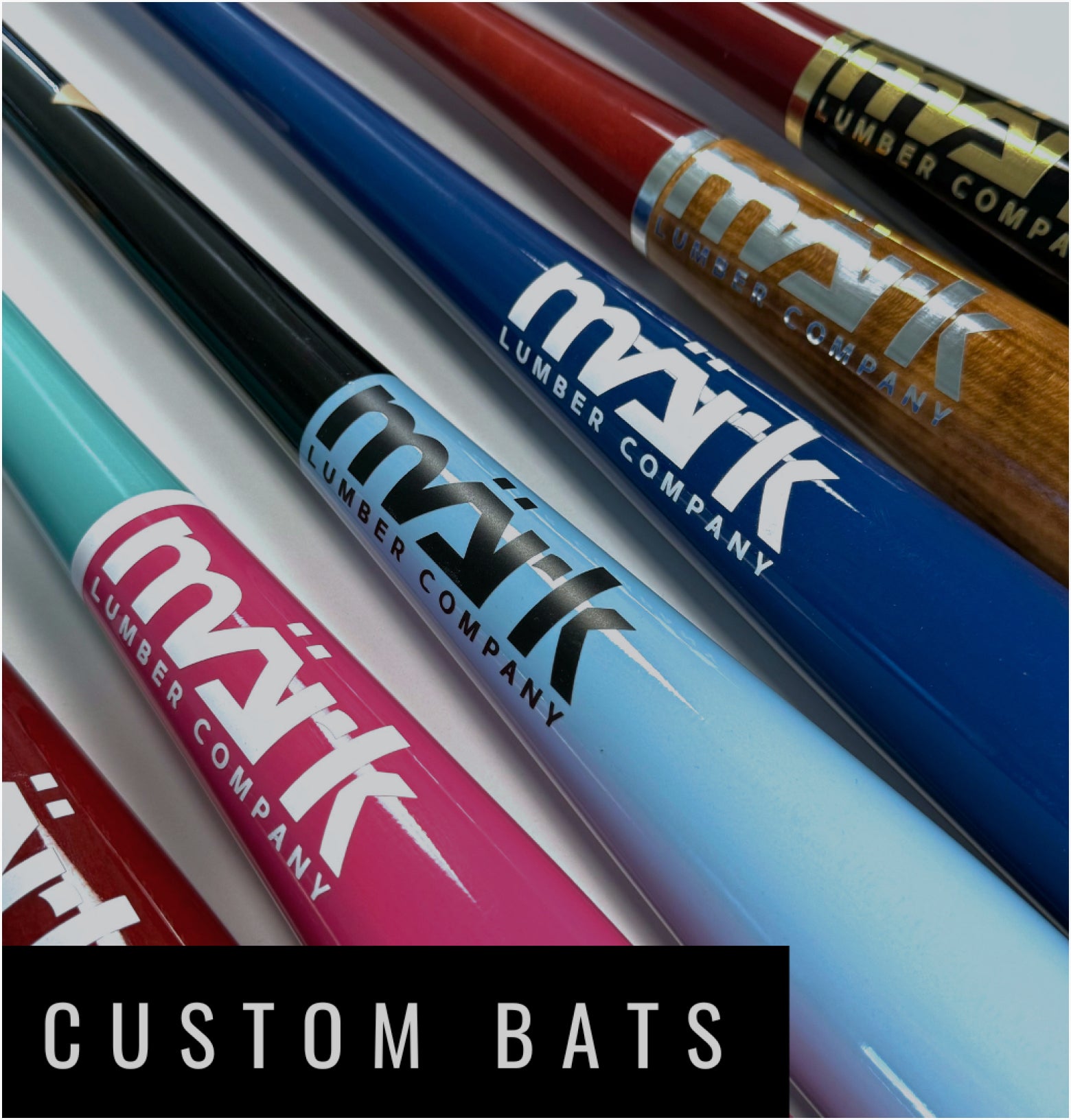


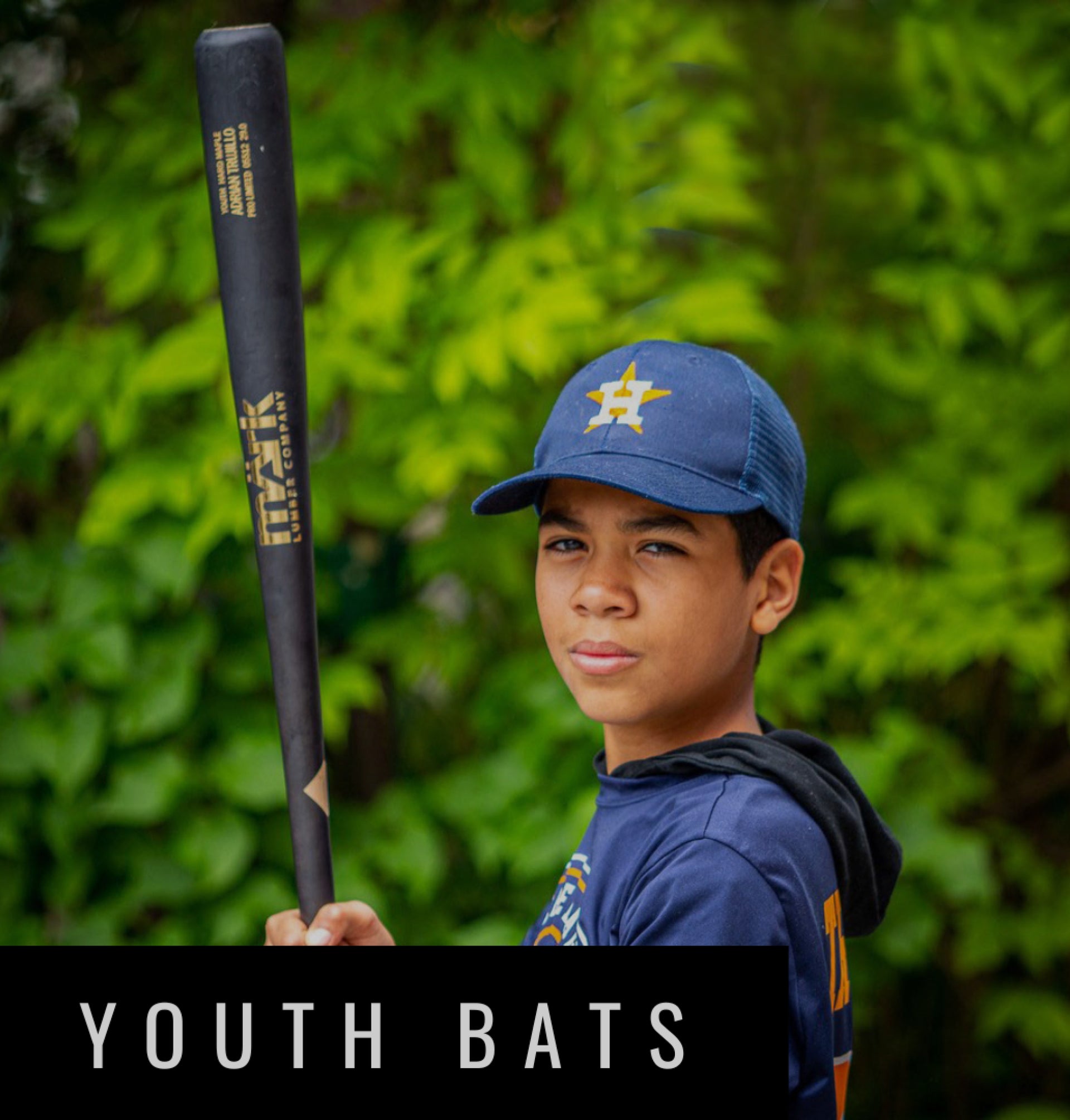


Birch Wood Bats at Mark Lumber
Mark Lumber offers a range of birch wood bats crafted from Canadian yellow birch and manufactured to pro-grade standards. Each bat reflects Quebec craftsmanship and a focus on fit, feel, and long-term usability.
Players can explore birch models with various turn options and finishes, along with custom options through the Bat Builder for personal preference, not performance promises. Mark Lumber birch bats are chosen by players who value education, transparency, and Canadian-made quality in their wood baseball bats.

Birch Wood Bats at Mark Lumber
Mark Lumber offers a range of birch wood bats crafted from Canadian yellow birch and manufactured to pro-grade standards. Each bat reflects Quebec craftsmanship and a focus on fit, feel, and long-term usability.
Players can explore birch models with various turn options and finishes, along with custom options through the Bat Builder for personal preference, not performance promises. Mark Lumber birch bats are chosen by players who value education, transparency, and Canadian-made quality in their wood baseball bats.
FREQUENTLY ASKED QUESTIONS
Are birch wood bats good for players transitioning from metal bats?
Birch wood bats are often a strong option for players moving from metal to wood baseball bats. Birch offers more flex and a larger sweet spot than maple, which helps reduce harsh feedback on mishits. The vibration-damping properties can make early wood bat experiences more comfortable while players adjust their swing mechanics and barrel control. Birch also hardens with use, so performance becomes more consistent over time. For developing hitters learning to square the ball consistently, birch provides a forgiving feel without sacrificing durability or long-term usability.
How long does it take to break in a birch baseball bat?
Most birch baseball bats require a break-in period of approximately 30 to 50 solid contacts. This process allows the outer wood fibers to compress and harden, which improves surface durability and contact feel. The break in should be done during batting practice using controlled swings, such as tee work or soft toss. Rotating the bat slightly between swings helps ensure even compression. Once broken in, birch bats maintain their performance characteristics well and do not require repeated break-in cycles throughout their lifespan.
Do birch wood bats last longer than maple bats?
Birch wood bats and maple bats fail differently, rather than one universally lasting longer. Maple is harder initially, but it can develop internal microfractures that lead to sudden breakage. Birch compresses over time, showing visible wear before failure. Many players find that birch bats provide a longer usable life because performance remains consistent as the surface hardens with use. Proper care, correct grain alignment, and rotating the hitting surface all play a major role in how long any wood baseball bat lasts, regardless of wood species.
What type of hitter benefits most from using a birch wood bat?
Birch wood bats are best suited for contact hitters, developing players, and those who value control and feel over maximum stiffness. Players who experience hand sting with maple often prefer birch due to its vibration-dampening. Birch also works well for hitters who want a balanced swing weight and a forgiving sweet spot. Youth and high school players building bat speed and consistent mechanics frequently choose birch as a practical wood option that supports skill development without relying on extreme rigidity or immediate peak hardness.